
Terrace Rain Garden Workshop Summary
Terrace Rain Garden Workshop
Terrace Rain Gardens in Madison
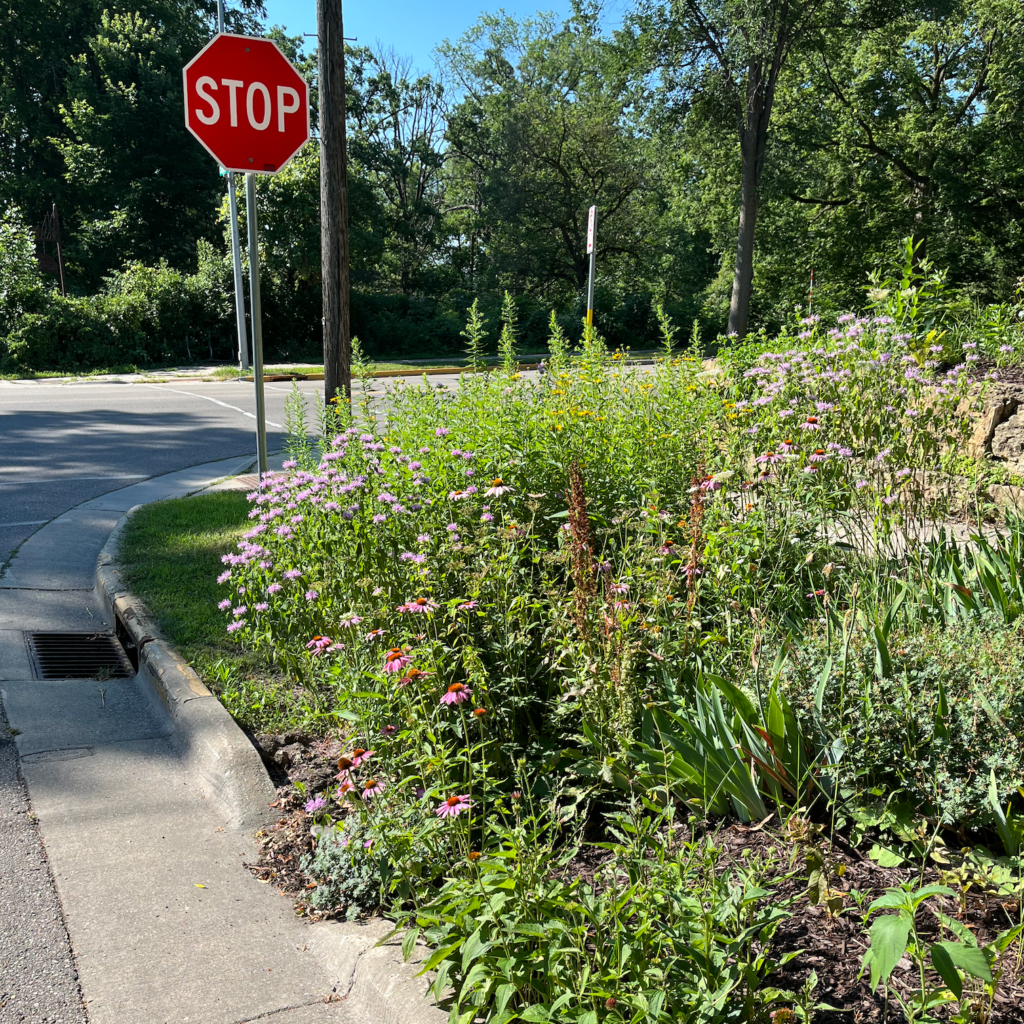
A terrace rain garden is a shallow planted area in the street terrace that collects and infiltrates stormwater from the street and surrounding areas.
City of Madison–Installed Terrace Rain Gardens
During major street construction projects, the City of Madison offers homeowners the opportunity to have a terrace rain garden installed for $100 – a value of approximately $2,500.
The City:
- Creates a curb dip so stormwater can flow into the rain garden.
- Excavates the rain garden.
- Installs the plants you select.
After installation, the homeowner is responsible for maintaining the rain garden.
More information at: https://www.cityofmadison.com/engineering/stormwater/programs-initiatives/rain-gardens/terrace-rain-gardens
DIY Terrace Rain Gardens
You can also install your own terrace rain garden. While these rain gardens won’t receive stormwater from the streets, they can still receive a lot of stormwater coming from the sidewalk, driveways, and downspouts. A permit is required before digging in the street terrace.
- City of Madison terrace planting requirements: https://www.cityofmadison.com/dpced/economic-development/food/terrace-and-yard-plantings
- Street Terrace Permit — $50: https://www.cityofmadison.com/engineering/permits/street-terrace-permit
- Call Digger’s Hotline before digging: 800-242-8511
Why Are Rain Gardens Good for Lake Wingra?
Rain gardens help keep stormwater and the pollutants it carries out of Lake Wingra.
They slow stormwater down
During light and moderate rain events, rain gardens collect stormwater that would otherwise flow quickly through storm drains toward Lake Wingra. Slowing the movement of stormwater can:
- Reduce erosion.
- Reduce the amount of stormwater reaching the lake at once.
- Help reduce downstream flooding.
They capture pollutants
Stormwater can carry pollutants such as phosphorus and sediment into the lake. A rain garden can capture some of these pollutants before they reach Lake Wingra.
- Phosphorus is a nutrient that can contribute to excessive algae growth when too much enters the lake.
- Sediment can make the water cloudy and can harm aquatic plants and animals.
Why Plant Rain Gardens with Native Plants?
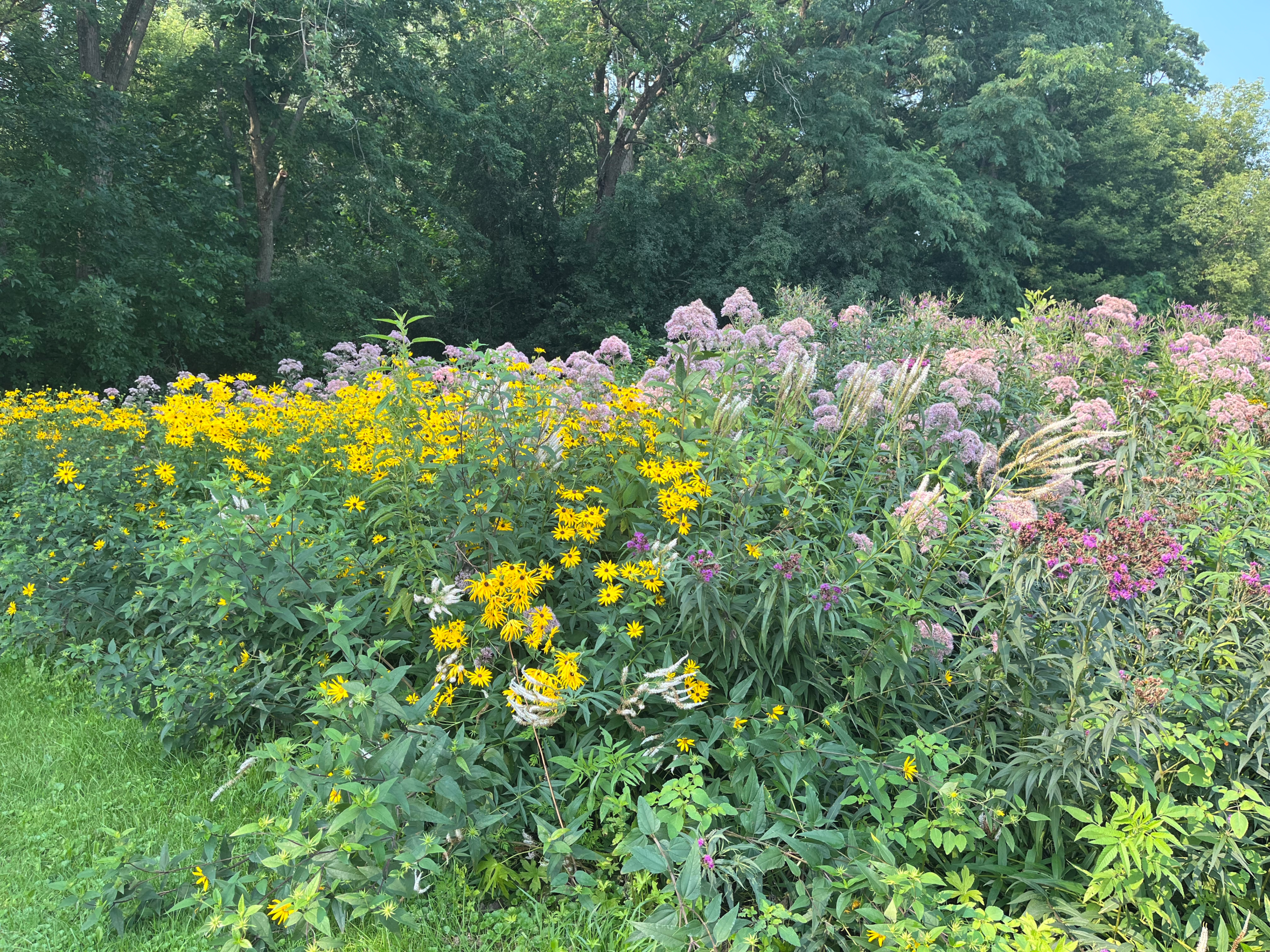
Native plants are well suited to rain gardens and provide benefits beyond stormwater management.
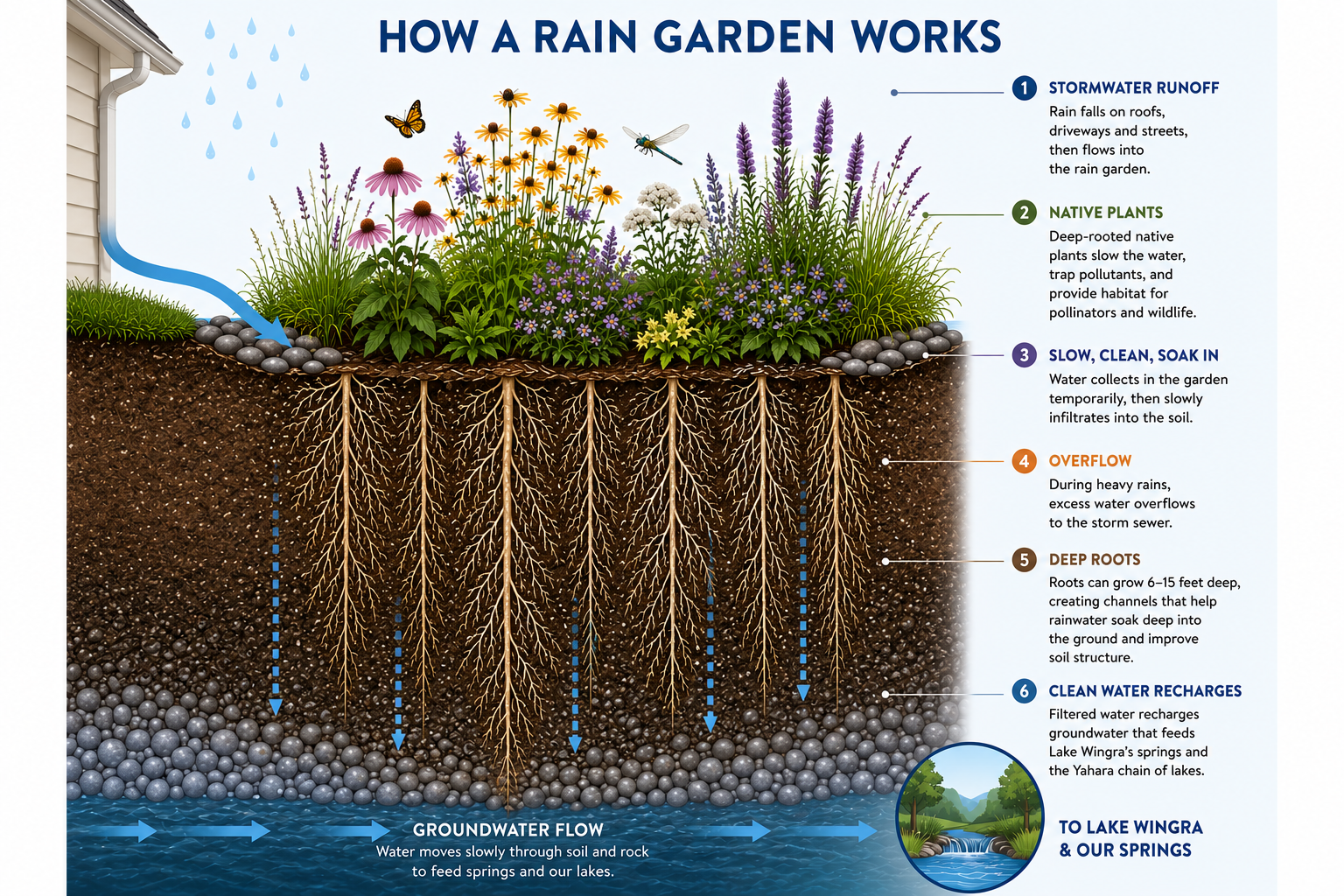
Deep roots help infiltrate water
Many native plants develop extensive root systems that create pathways for water to move into the soil. A rain garden planted with native plants will drain faster than one planted with turf grass.
Native plants are adapted to local conditions
Once established, native plants generally require less maintenance and watering than turfgrass.
They provide habitat
Native plants provide food and habitat for pollinators, birds, and other wildlife.
Getting Your Rain Garden Established
The first couple of years are the most important for helping your rain garden become established.
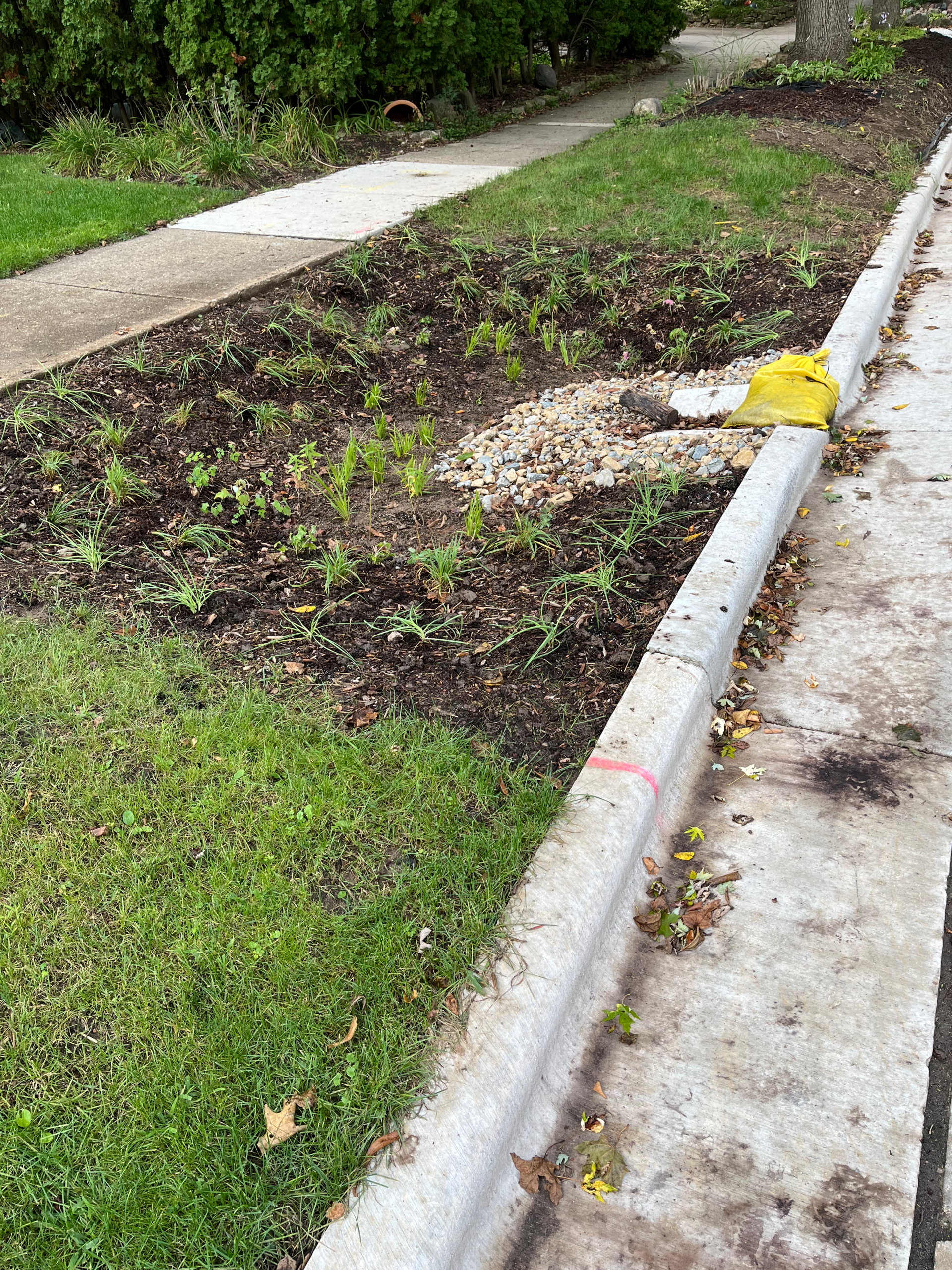
- Water as needed, especially during hot and dry weather and during the first growing season.
- Weed regularly. Young native plants can be difficult to distinguish from weeds, so learn what you planted and what it looks like at different stages of growth.
- Keep turfgrass from spreading into the garden.
- Keep an eye on the garden and make sure stormwater can continue to flow into it.
You will probably need to weed more during the first couple of years. Once your plants are established, maintenance should become easier.
Seasonal Rain Garden Maintenance
Spring
Spring is an important time to get your rain garden ready for the growing season.
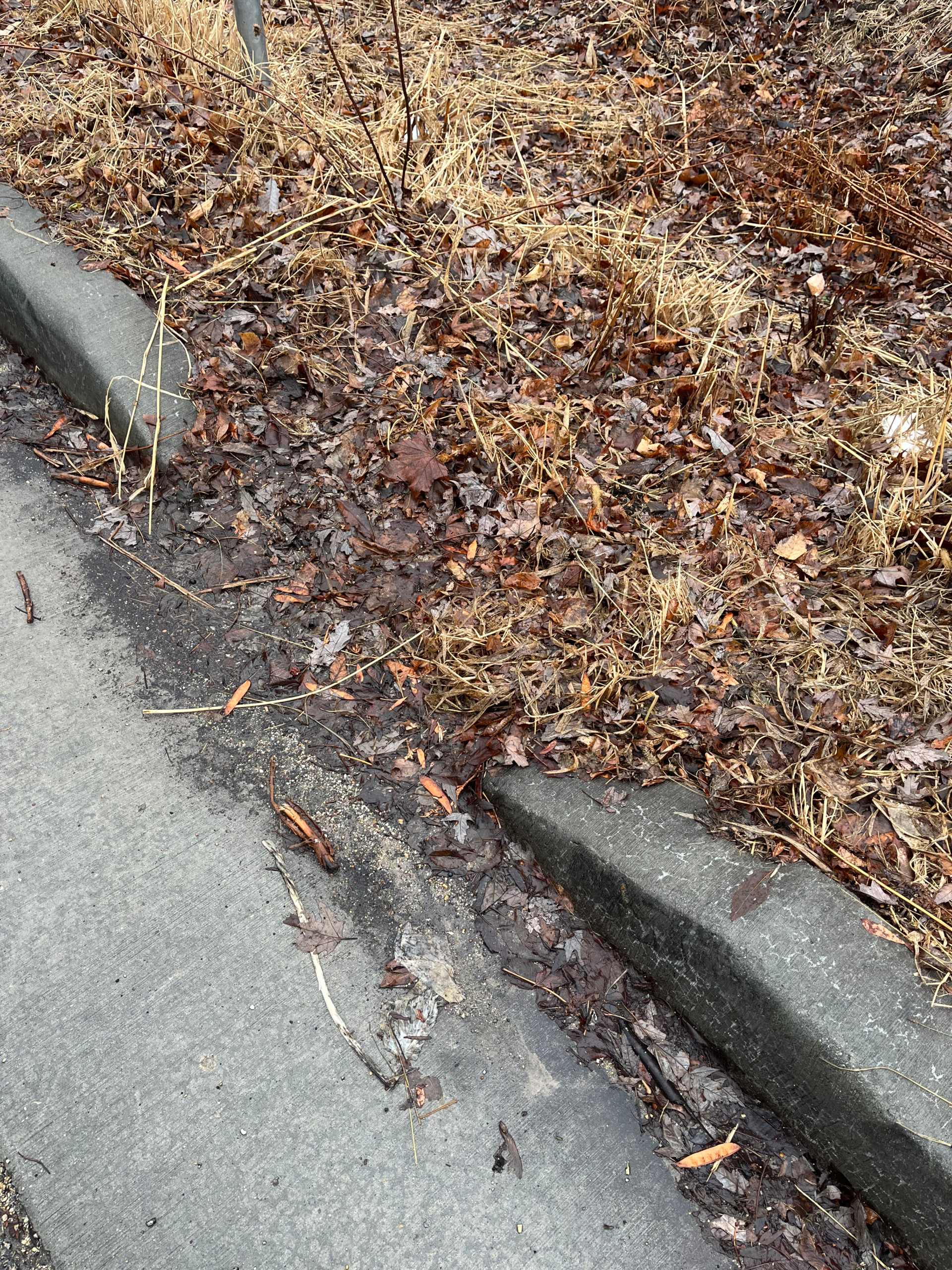
Clean the flume
The flume is the entrance where water flows from the street into your rain garden. Use a shovel or garden trowel to remove dirt, sand, leaves, and other debris that may block the flow of water.
Sediment removed from the flume can be placed in a garbage bag and disposed of in the trash.
See the City of Madison’s terrace rain garden maintenance video
Cut back dead vegetation
Leave dead stems and leaves over winter to provide habitat for pollinators and other insects. In spring, cut back last year’s vegetation once evening temperatures are consistently around 50°F.
Remove excess leaves
Rake out dense layers of leaf litter, particularly where they could smother emerging plants.
Remove weeds and woody plants
Remove unwanted plants before they become well established. All woody plants should be removed.
Summer
Remove weeds and unwanted woody growth as needed.
Water during extended periods of hot, dry weather, particularly during the first year.
Watch for plants that are becoming too tall, dense, or are spreading into the sidewalk or street.
Fall
Clean the flume
Clear dirt, leaves, and other debris from the flume so that water can continue to enter the rain garden. Same as springtime cleaning.
Leave naturally occurring leaves
It is fine to leave leaves that naturally fall into your rain garden. Do not add piles of raked leaves from elsewhere in your yard.
Keep leaf cover to no more than about 3 inches deep.
Cutting plants back
Leaving dead vegetation through winter provides important habitat for insects and other wildlife. However, if plants are falling into the sidewalk or street, it is okay to cut some of them back in the fall.
Winter
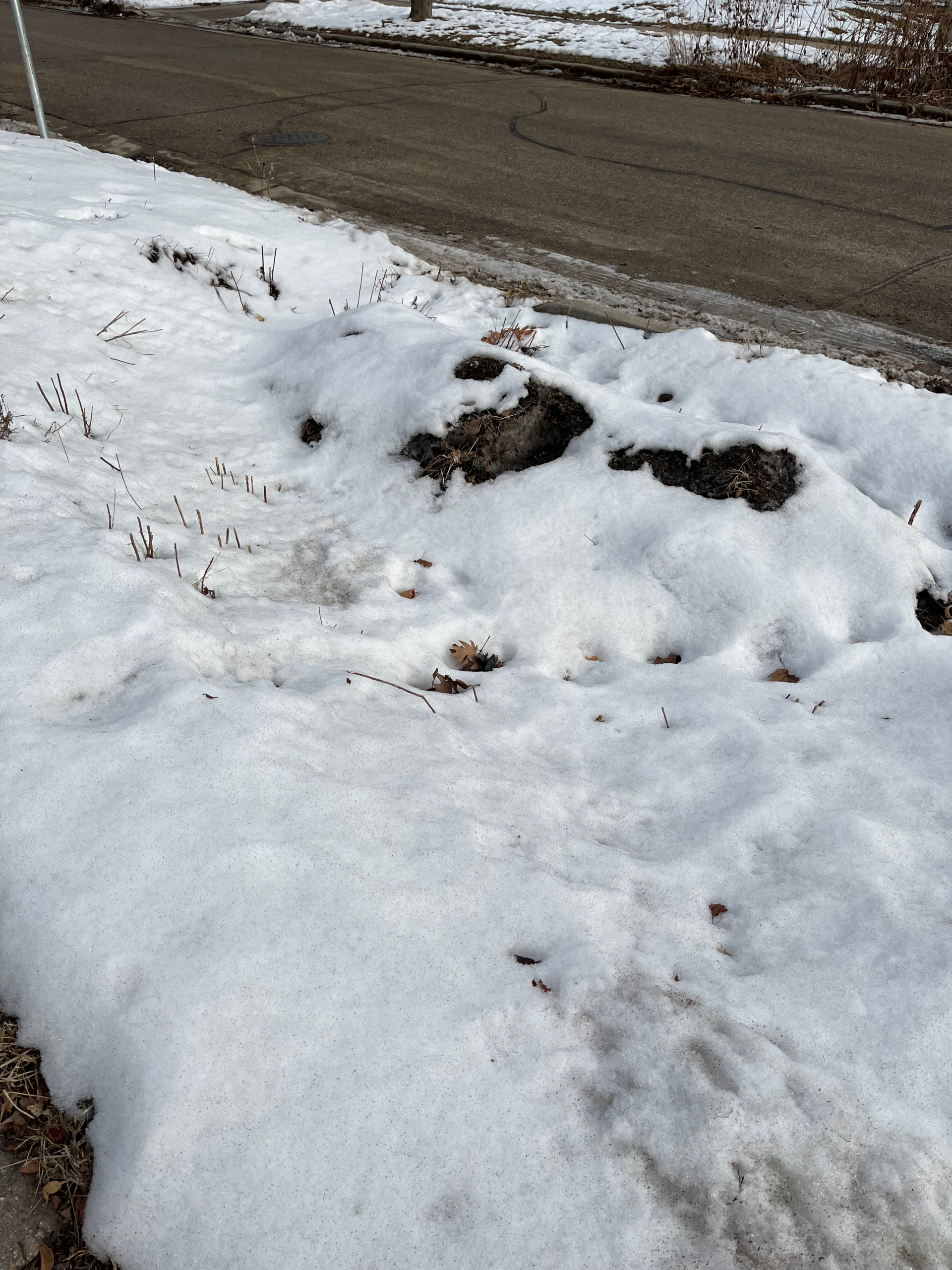
Keep large snow piles off your rain garden
Avoid piling excessive amounts of snow on your terrace rain garden. Deep snow piles can:
- Compact the soil.
- Delay spring thawing.
- Reduce the garden’s ability to capture snowmelt and early spring rain.
We know it can be difficult to accomplish this in years with large snow events – there are only so many places you can shovel your snow and snow plows often pile the snow from the street onto terrace gardens. Just do what you can to minimize the snow piles.
Minimize/avoid salt use
Try to avoid using salt as a deicer in winter and if you need to use salt, use only what is necessary. Once the salt has done its job, sweep up any remaining salt and reuse it if possible.
Salt can accumulate in rain garden soils, reduce soil fertility, and damage or kill plants.
Salt also ends up in our lakes and drinking water and is nearly impossible to remove from the environment once it’s put down. Learn more about winter salt use at WI Salt Wise.
What If My Plants Get Too Tall or Dense?
Rain garden plants can become quite tall and dense, especially once they are established. That’s usually a good sign – but you can manage them if they become difficult to maintain.
Try a “Chelsea Chop”
In early summer, around June, you can cut taller plants back to approximately 2 feet. The plants will still flower, but they will remain shorter and more compact.
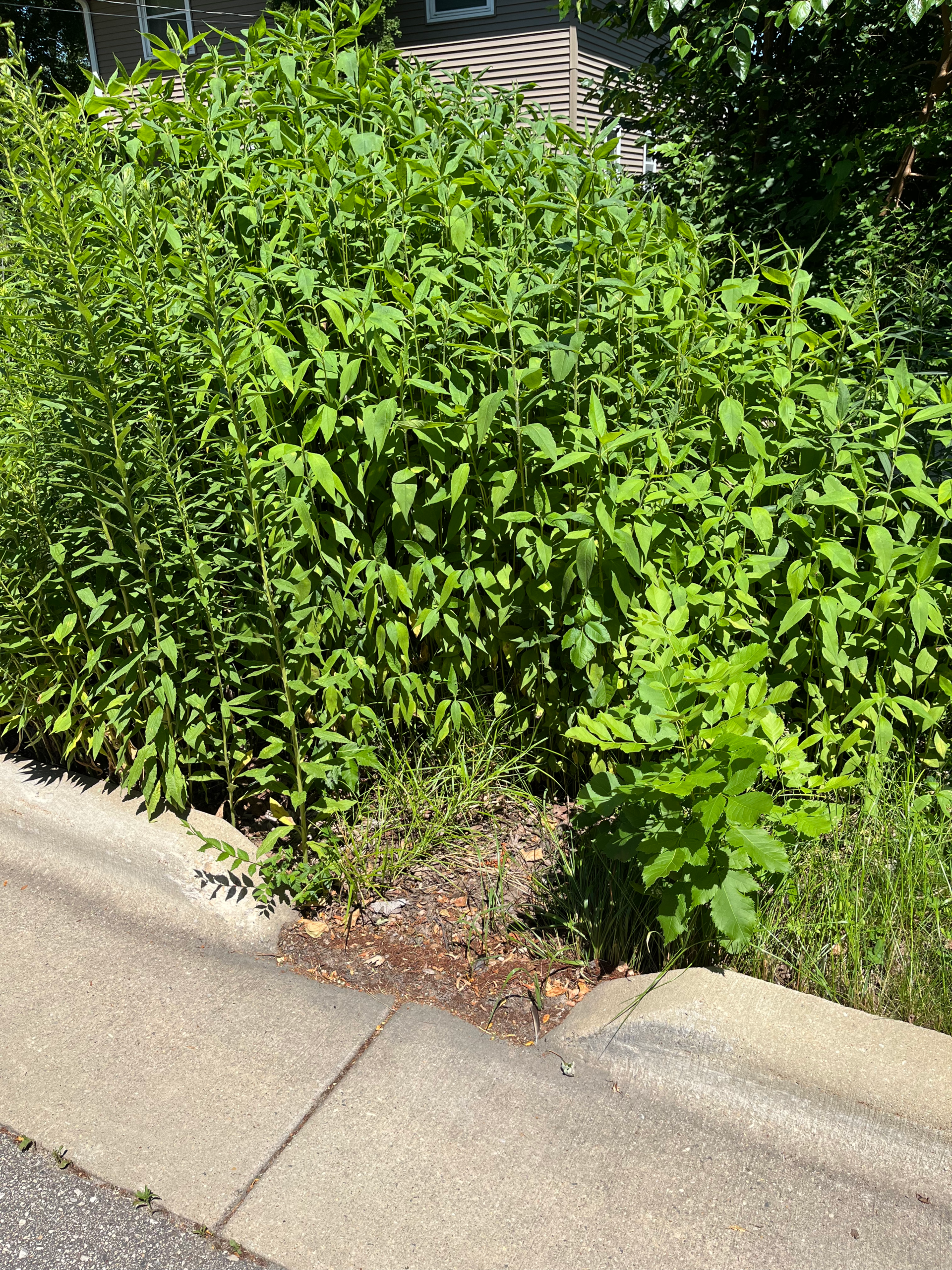
Thin dense plants
Some native plants spread and form dense clumps. During the growing season, you can cut out some of the plants, or you can use a shovel to remove portions of the plants and their roots.
You can:
- Transplant them elsewhere in your yard.
- Dispose of them through your yard-waste program.
What If Plants Are Falling into the Street or Sidewalk?
Plants growing into pedestrian or roadway areas can create maintenance and safety problems.
You can:
- Trim plants shorter near the sidewalk and street.
- Remove plants that grow too close to the sidewalk and street and add mulch to those areas every couple of years to keep new plants from establishing there.
- Use stakes and string or temporary fencing to support plants through the growing season.
- Cut some plants back in the fall rather than waiting until spring.
How Can I Tell Native Grasses and Sedges from Turfgrass?
Some terrace rain gardens contain native grasses or sedges, which can make it difficult to tell desirable plants from invading turfgrass.
First, know what was planted in your rain garden. If you did not plant any native grasses or sedges, grass growing in your garden is likely unwanted turfgrass.
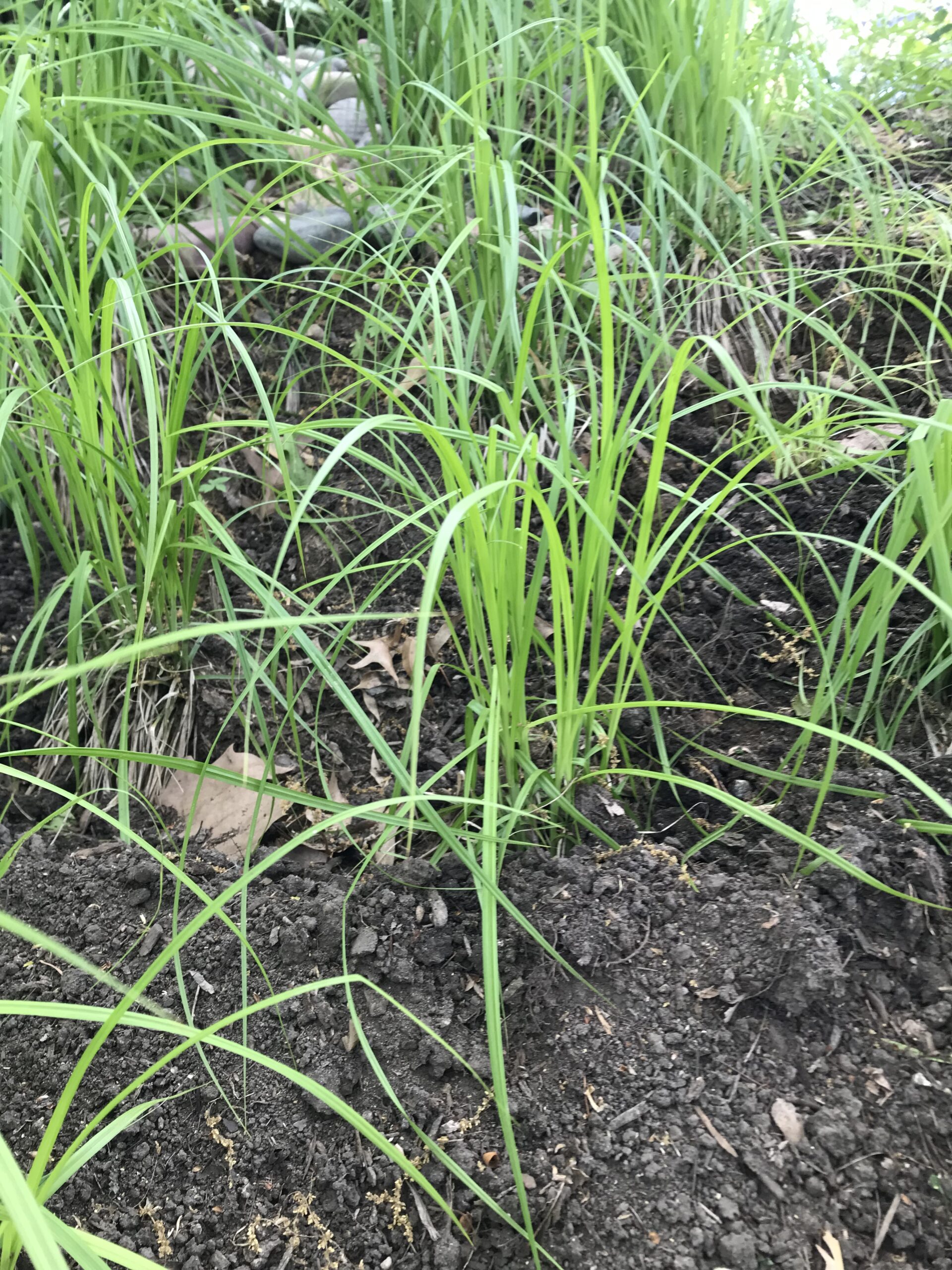
“Sedges have edges”
If you’re unsure whether a plant is a sedge, roll the stem between your fingers.
- Sedges have stems with edges that you can feel.
- Grasses generally have round, hollow stems with noticeable nodes.
Native grasses can be more difficult to identify. Look up the species you planted to learn its identifying characteristics, and pay attention to where it was originally planted. A native grass will generally remain in the area where it was planted and gradually form a larger clump.
What If I’m Not Sure Whether a Plant Is a Weed?
When in doubt, let it grow for a little while. It is often easier to identify a plant once it has developed more leaves or flowers.
Learn your plants
Keep a list or photos of the plants in your rain garden so you can identify them throughout the growing season.
Remove woody plants
In terrace rain gardens, all woody plants should be removed. Remove the roots when possible. If removing the roots is difficult, a small amount of herbicide can be applied directly to the freshly cut stem.
Common rain garden weeds
Ripple Effects: A Guide to Common Rain Garden Weeds: https://ripple-effects.com/documents/pdf/Rain-Gardens/-A-GUIDE-TO-COMMON-RAINGARDEN-WEEDS.pdf
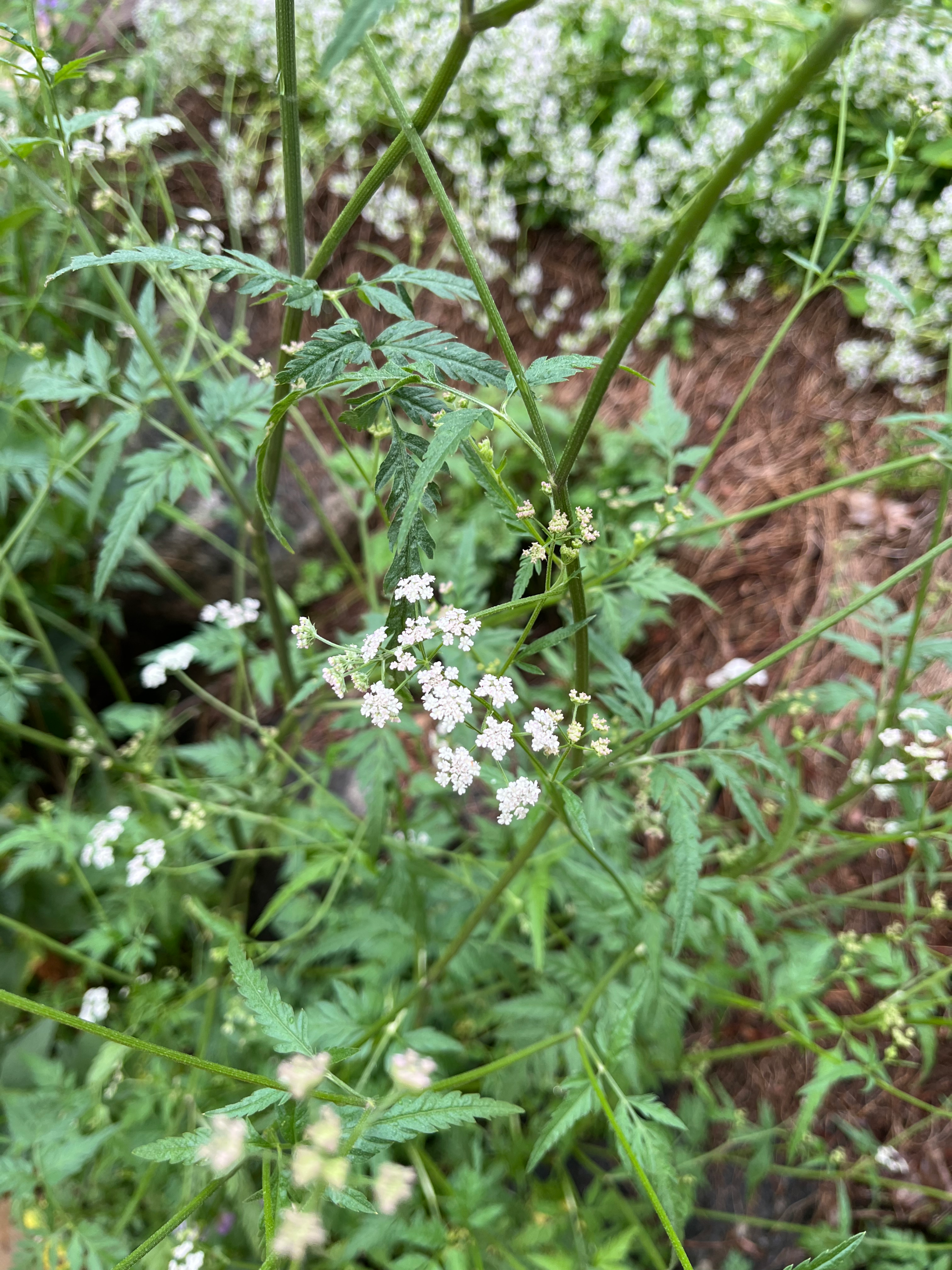
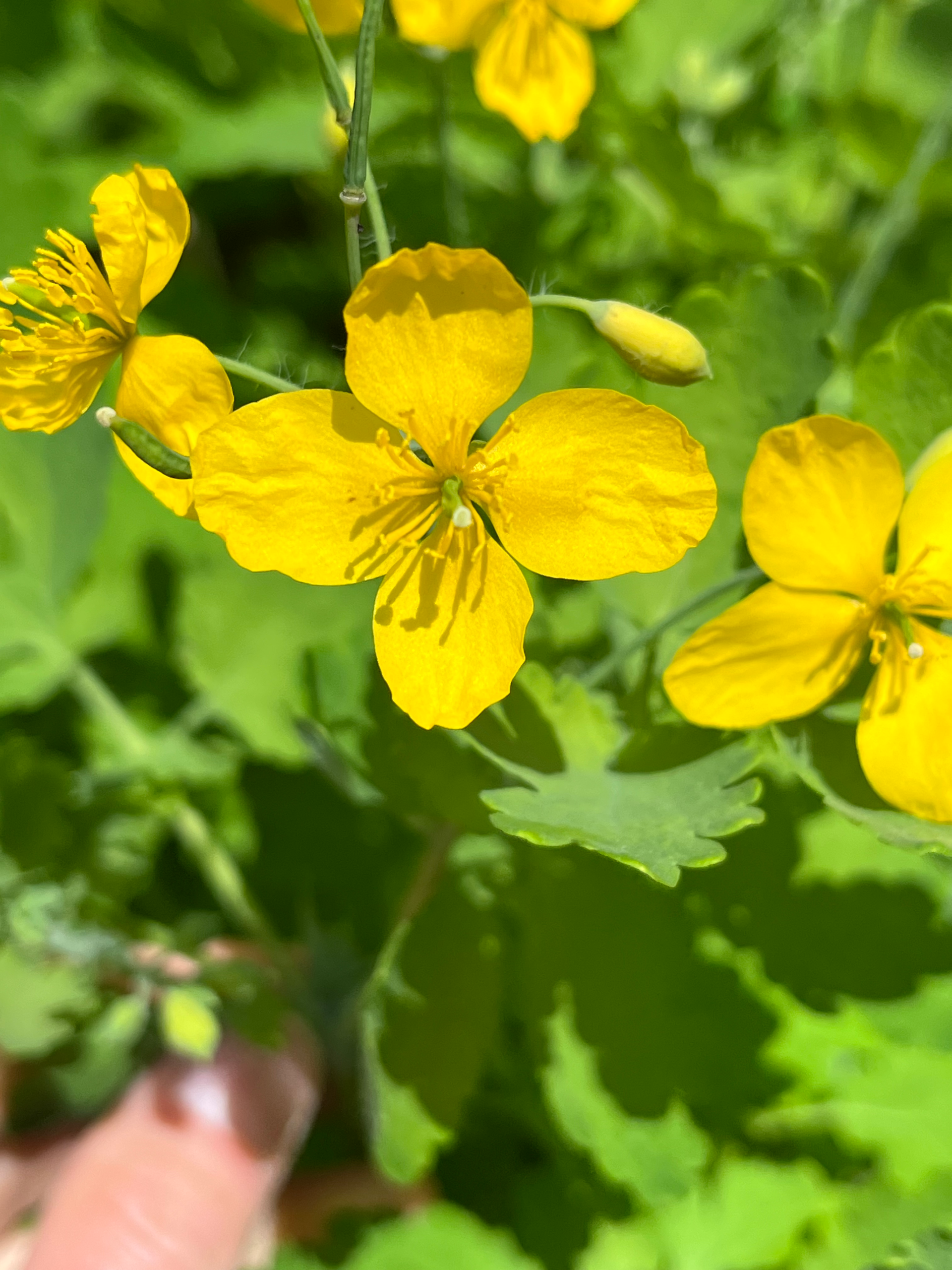
Some newer weeds that are becoming increasingly common in the Lake Wingra watershed include Japanese hedge-parsley (Torilis japonica) and greater celandine (Chelidonium majus).
Questions?
Terrace rain gardens are relatively low-maintenance once they are established, but they do require some attention – especially during the first few years.
If you have questions about your terrace rain garden or need help identifying a plant, please contact Friends of Lake Wingra:
info@lakewingra.org